01 · SELECT
Curupau only
Curupau is one of the densest ironwoods on Earth. We select logs for tight grain and sound wood. Anything that will crush, rot, or turn to paste later is left out before the oven.
HOW WHITE CHARCOAL IS MADE
IronMatrix begins as whole Curupau ironwood. Each log is chosen for density and grain, cut, and stacked in the yard. Only this selected raw material goes into the kiln for high-temperature Korean pyrolization.
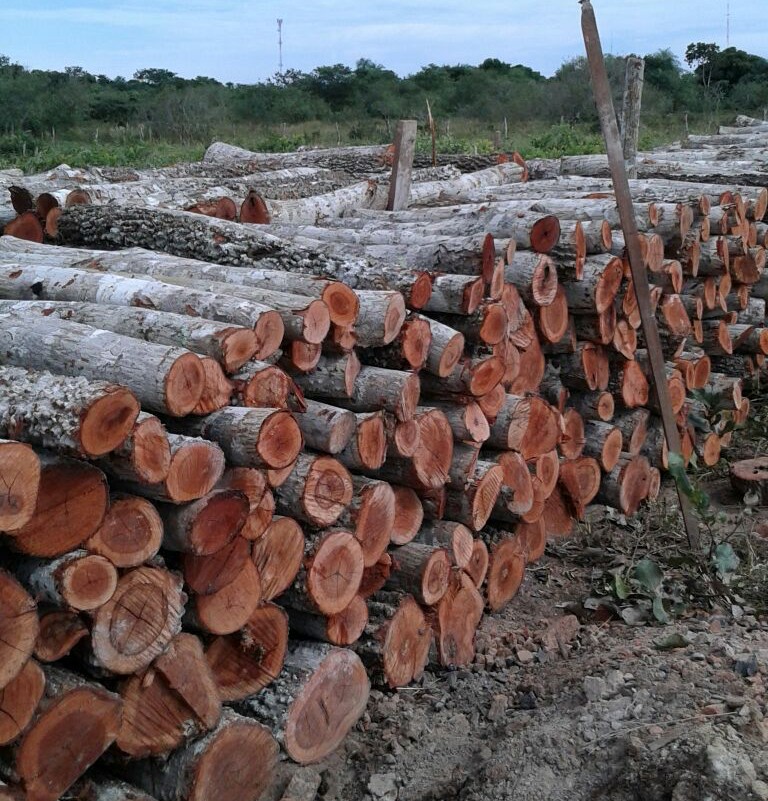
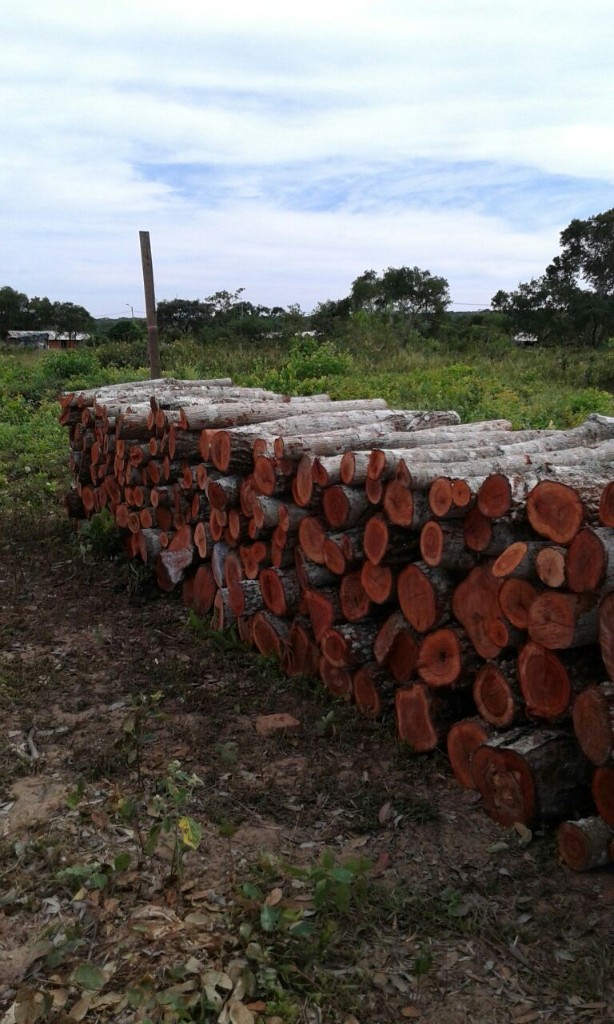
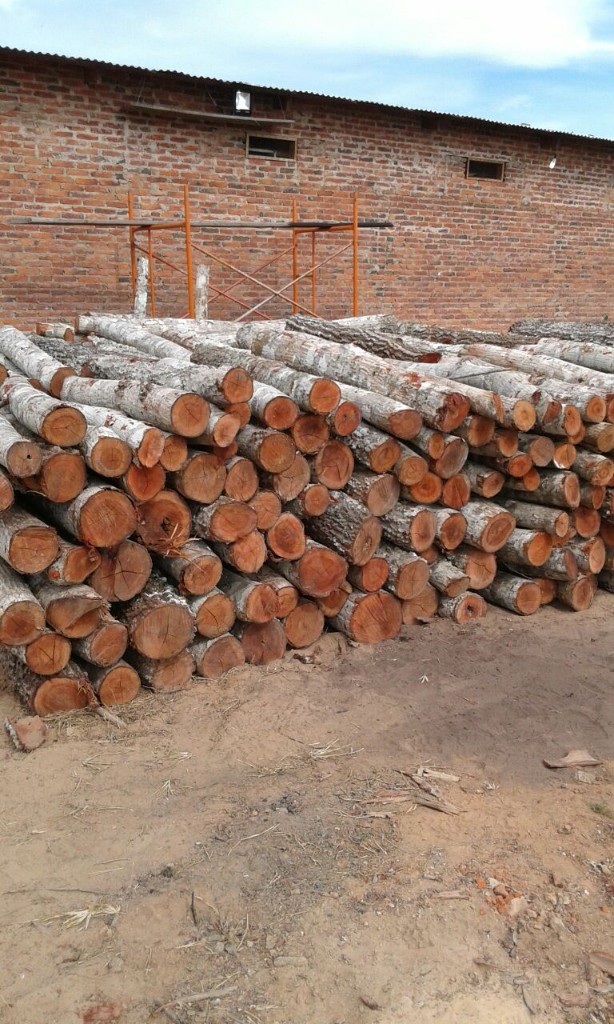
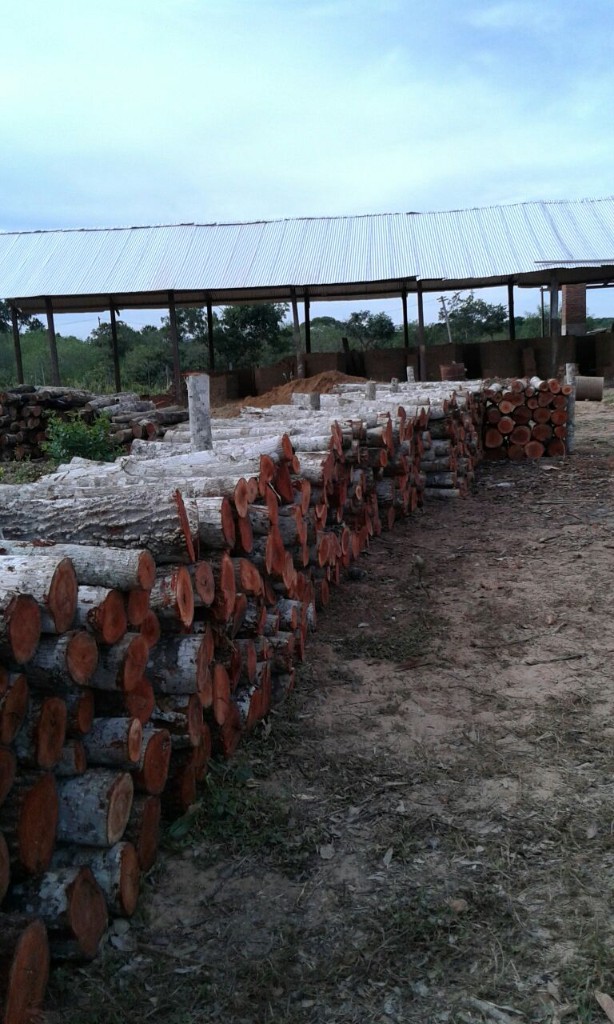
SPECIES IDENTIFICATION
Anadenanthera colubrina (Vell.) Brenan — the ironwood selected as materia prima. Very frequent in Chiquitania, Guarayos and Choré. Commercial name Curupay; also known as Cebil colorado (Argentina), Acacia (Bolivia), Angico-preto (Brazil), and Kurupay (Paraguay).
Density at 12% moisture is 1.03 g/cm³ — heavier than water. That is the ironwood that goes into the oven.
THE PROCESS
Softwood and agricultural waste never enter this stack. The work starts in the field, with the tree that can survive the fire without collapsing.
01 · SELECT
Curupau is one of the densest ironwoods on Earth. We select logs for tight grain and sound wood. Anything that will crush, rot, or turn to paste later is left out before the oven.
02 · PREPARE
The selected wood is cut to length and stacked as materia prima. This is the last time you see the living color of the tree—the red heartwood that will become a 90%+ fixed-carbon log.
03 · FIRE
The stacked Curupau enters high-temperature Korean pyrolization in the adobe and brick ovens. That firing is what makes white charcoal: a hard, glassy carbon that does not crumble like ordinary black charcoal. See the kiln in 2016 →
WHY THIS STEP MATTERS
If the raw wood is soft, the finished charcoal is soft. That is why the selection happens before the oven, not after. Growers who put IronMatrix under orchids, living soil, or vivariums are buying this stack—the Curupau that was chosen, then carbonized, then packed as whole logs in the 5kg box.